
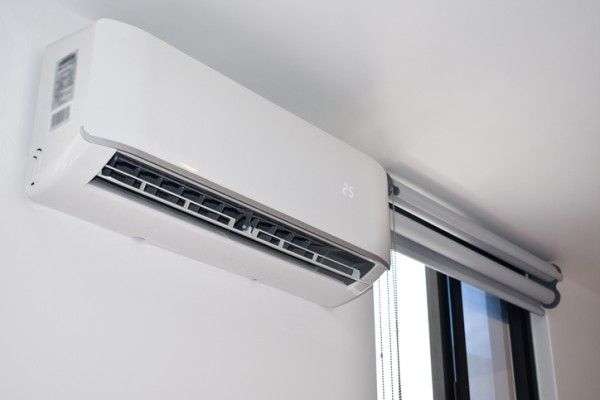
Yes, the reverse-cycle system that heats your home in winter is the same unit that cools it in summer. A reverse-cycle air conditioner is a heat pump, and it can run in two directions. In winter it moves heat into your home. In summer it moves heat out. You do not need a separate air conditioner, because one system already does both jobs. At Heating Experts, we install and service reverse-cycle systems that turn one unit of electricity into three to six units of heating or cooling, which is why so many Australian homes now rely on a single system all year.
Below we explain how the same unit cools in summer, why running one system beats running two, what it costs, and how to get the most out of yours through the hot months.
Can a reverse-cycle heater really cool the house in summer?
It can, and cooling is one of its two core functions. A reverse-cycle unit is built to run in both directions from the day it is installed. Switch it to cooling mode and it works like any modern air conditioner, pulling warm air out of your rooms and pushing it outside.
The word "reverse" is the clue. The system can reverse the direction it moves heat. That single feature is what lets your winter heater become your summer aircon.
How does reverse-cycle cooling work in summer?
A reverse-cycle system uses a heat pump and a refrigerant circuit. A component called a four-way reversing valve decides which way heat travels, so the same hardware can heat or cool. Australia's energy authority describes it as simply moving heat "from the dwelling to the external environment to deliver cooling." Here is what happens in each mode.
Cooling mode in summer
In summer, the indoor coil absorbs heat from the air in your room. Warm indoor air blows over the cold coil, the refrigerant carries that heat outside, and the outdoor unit releases it. The indoor fan then blows cool, dry air back into the room. In effect, heat is pumped out of the house rather than made inside it.
Heating mode in winter
In winter, the reversing valve flips the cycle. The outdoor coil now draws heat from the outside air, even on cold days, and the indoor coil releases that heat into your rooms. The system swaps which coil is inside and which is outside, and nothing else about the unit changes.
Why one system for heating and cooling makes sense
Running a single reverse-cycle system instead of a separate heater and air conditioner saves you money on equipment, installation, and space. It also gives you a few benefits that a standalone heater or a basic cooler cannot match:
- Built-in dehumidifying. When a reverse-cycle unit cools, it also pulls moisture out of the air. That makes humid summer days feel more comfortable, which evaporative coolers and fans cannot do because they do not remove moisture.
- Cleaner indoor air. Most units include filters that trap dust, pollen, smoke, and odours as the air passes through, so the air feels fresher while the room cools.
- Safer operation. There is no open flame and no combustion. The unit runs on electricity, the exterior surfaces stay cool, and maintenance is usually as simple as keeping the filters clean.
- One system to install and maintain. A single unit means one installation and one service schedule instead of two, which keeps both upfront and ongoing costs down.
How efficient is reverse-cycle cooling?
Reverse-cycle systems are the most efficient way to heat and cool a home because they move heat instead of generating it. Australia's energy efficiency authority rates reverse-cycle air conditioners as the most energy-efficient combined heating and cooling system you can buy.
The numbers explain why. According to energy.gov.au, reverse-cycle units are 300 to 600 percent efficient, meaning one kilowatt-hour of electricity produces three to six kilowatt-hours of heating or cooling. A gas heater, by comparison, converts only about 80 to 85 percent of its fuel into heat, and a plain electric heater tops out at 100 percent. The efficiency is measured as a Coefficient of Performance, or COP, and modern units commonly reach a COP of 3 to 5 in mild conditions.
What does a reverse-cycle system cost to run?
For cooling, a properly sized reverse-cycle unit uses very little power in normal operation. Installers often note it draws around a quarter of what a toaster or kettle pulls. The high efficiency that makes it cheap to cool is the same efficiency that makes it cheap to heat, and the heating figures show the gap clearly.
Modelling by Renew and SACOSS compared the annual cost of heating a typical three-bedroom Adelaide home with different systems:
Source: Renew and SACOSS modelling.
Even without extra insulation, the reverse-cycle system costs about a third of the gas bill. Adding ceiling insulation brings it down further. Independent CSIRO housing research reaches the same conclusion, finding that reverse-cycle heating is about four times more efficient than natural gas and saves a typical Adelaide household around $440 a year. Because the same unit handles summer cooling, that efficiency covers both seasons with no second system to buy or run.
How does reverse-cycle cooling compare to fans and evaporative coolers?
Fans and evaporative coolers have their place, but they do different things. A fan moves air without actually cooling it. An evaporative cooler adds moisture to the air, which works in dry heat but struggles on humid days. A reverse-cycle system cools the air and removes humidity at the same time, and it is the only one of the three that also heats in winter.
How to get the most from your reverse-cycle system in summer
A few simple habits keep your unit cooling efficiently through the hottest part of the year:
- Close windows and external doors while cooling, so you are not paying to cool air that escapes.
- Set a sensible temperature. Around 24 to 25 degrees is comfortable in summer, and every degree lower adds to the running cost.
- Use Auto mode and let the inverter adjust its own output rather than running at full power the whole time.
- Run ceiling fans alongside it to spread the cool air, which lets you set a slightly higher temperature for the same comfort.
- Clean the filters regularly. Blocked filters make the unit work harder and cool less. This is the single easiest way to protect efficiency, and regular servicing keeps the whole system running well. If you want a quick seasonal check, our guide on getting your air conditioner ready for summer walks through the basics.
Frequently asked questions
Does a reverse-cycle air conditioner dehumidify in summer?
Yes. When a reverse-cycle unit cools, warm air passes over a cold coil and moisture condenses out of it. That lowers the humidity in the room, which is why the air feels drier and more comfortable than it does with a fan or an evaporative cooler.
Is it cheaper to run a reverse-cycle aircon or a fan in summer?
A fan uses less power, but it only moves air and does not lower the room temperature or remove humidity. A reverse-cycle unit costs more to run than a fan yet still uses relatively little electricity, and it actually cools the space. Many homes use both, running a fan alongside the aircon to spread the cool air.
Do I need a separate air conditioner if I have reverse-cycle heating?
No. A reverse-cycle heater already includes air conditioning, because the same heat pump runs in both directions. Buying a second unit for summer would duplicate what you already own.
What temperature should I set my reverse-cycle aircon in summer?
Around 24 to 25 degrees is a good balance of comfort and cost. Setting it much lower makes the unit work harder and pushes up your bill without adding much comfort, especially if you pair it with a ceiling fan.
Get expert help with your reverse-cycle system
If you want a reverse-cycle system that cools well in summer and heats efficiently in winter, the key is sizing it correctly, sealing and insulating the home, and keeping it serviced. Our team installs and maintains reverse-cycle systems across Australia, and we are happy to help you choose and set up the right unit for your home. Contact Heating Experts to book an assessment or a service.